
A Greener, More Ethical Ramadan in 2026
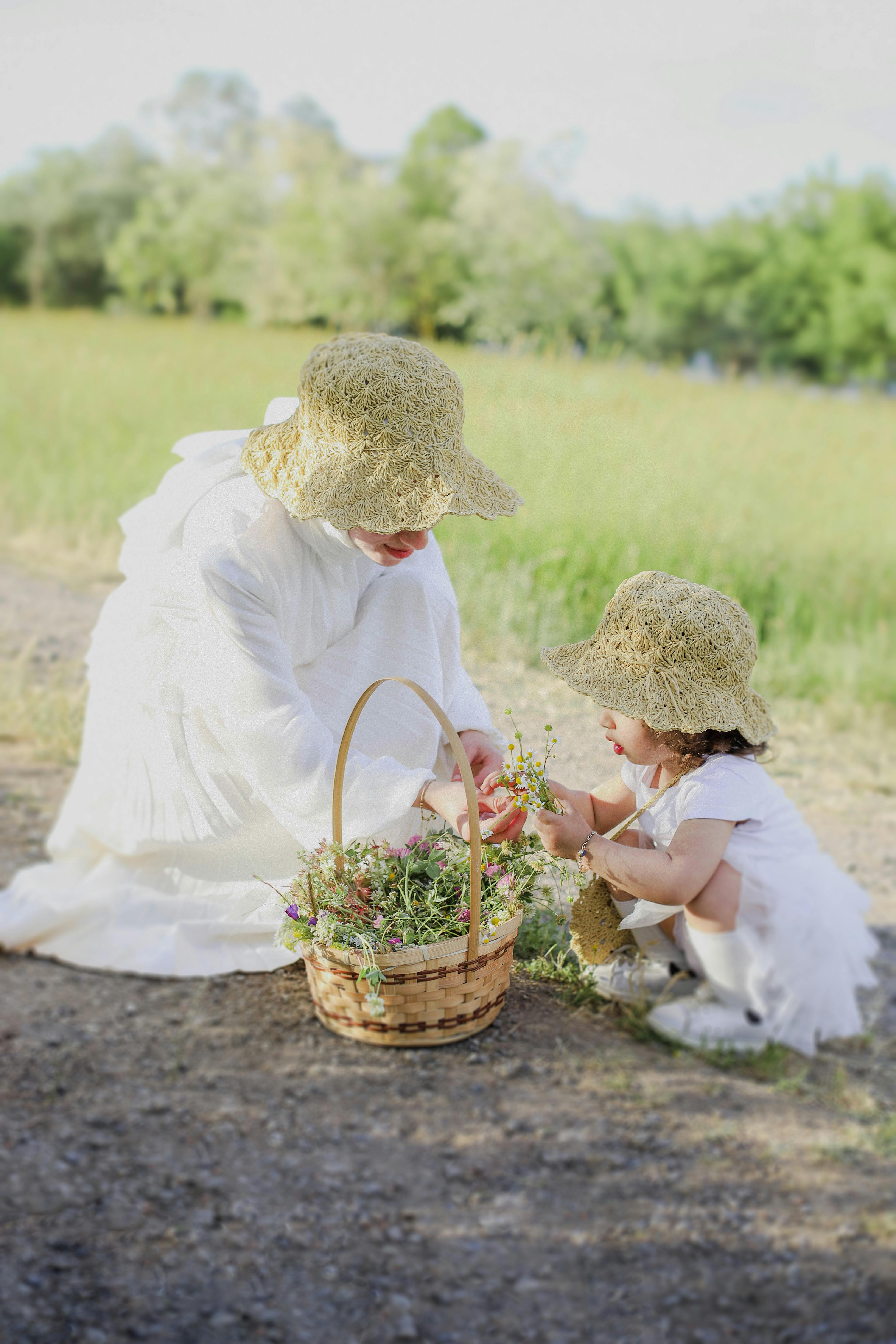
Small shifts. Big barakah. Lighter footprint.
Ramadan in 2026 can feel intense: higher food prices, busier schedules, constant delivery culture, and a lot of pressure to “do the most”. But the heart of Ramadan is still the same. It’s a month of intention, restraint, gratitude, and care.
A more ethical Ramadan isn’t about being perfect. It’s about making choices that reflect the spirit of the fast: moderation, justice, and stewardship of the Earth, while still keeping the warmth and generosity that makes Ramadan special.
Here are practical, modern ways to make your Ramadan more relevant and realistic for 2026.
The core pillars of an ethical Ramadan
1) Beat the “Ramadan overbuy” trap
In 2026, so many of us shop online, bulk-buy, and over-order without realising. Food waste often happens because we’re tired, hungry, and shopping last minute.
Try this:
- Do one “Ramadan staples” shop, then smaller top-ups weekly.
- Plan 3 core iftar meals you can rotate and repeat.
- Build your suhoor around simple, filling basics (oats, eggs, yoghurt, dates, nut butter, soup, leftovers).
- Freeze extra portions immediately, not “later”.
Easy tech help:
- Use OLIO for sharing extras locally.
- Use Too Good To Go for reduced food pickups when you need quick top-ups.
2) Make ethical swaps where it matters most
You don’t need to change everything. In 2026, the most realistic approach is “high-impact swaps”, especially for the things we buy most in Ramadan.
Focus swaps:
- Fairtrade or ethically sourced dates for iftar
- Tea and coffee (often linked to low wages and exploitative supply chains)
- Chocolate and treats for gifting
- Rice, spices, and pantry staples from brands with transparency
Simple rule: if you buy it every week in Ramadan, it’s worth upgrading.
3) More plant-forward iftars that still feel like home
Plant-forward doesn’t mean bland or “not our food”. It means letting vegetables and legumes lead more often, and making meat the side rather than the centre.
Ideas that work in real Muslim households:
- Lentil soup, harira, daal, chickpea stews, Kisori
- Tray-bake veg + tahini yoghurt
- Stuffed peppers, okra, aubergine dishes
- Beans and rice, mujadara, koshari-style bowls
- Big salads with warm bread and za'atar dips
- Buy frozen and canned veg
Try: 2 to 3 plant-forward iftars a week. Keep it simple and familiar.
4) Reduce packaging and delivery waste
In 2026, food delivery and takeaways are bigger than ever, and so is the packaging that comes with it.
Try this:
- Do “one takeaway night a week” instead of multiple.
- If you host, use real plates, even if they’re mismatched.
- Keep a box of reusable containers ready for leftovers.
- Choose larger refill packs for staple items where possible.
- Make Food in bulk and freeze
Hosting tip: ask guests to bring their own container for leftovers. It’s normal in so many cultures and it genuinely reduces waste.
5) Energy saving that fits modern life
With energy costs still a stress for many families, saving energy is both ethical and practical.
Small wins:
- Batch-cook once, eat twice (cook a base meal and reuse it).
- Use an air fryer, slow cooker, or pressure cooker if you have one.
- Turn off standby plugs overnight.
- If you can, walk to taraweeh or share lifts intentionally.
6) Water mindfulness in a water-stressed world
Even in the UK, water shortages and pressure on water systems are more talked about now than they were a few years ago. Wudu is a perfect place to practise mindful moderation.
Try this:
- Turn the tap off between steps of wudu.
- Use a small jug or trickle flow instead of full running water.
- Teach kids wudu with “just enough” water as part of Ramadan learning.
7) Ethical giving that reflects the world right now
In 2026, many communities are facing rising living costs, homelessness, displacement, and ongoing global crises. Charity can be immediate and local, as well as global.
Try this:
- Donate to local food banks and mutual aid groups
- Sponsor iftar packs through a trusted community organisation
- Give zakat thoughtfully and early, not just at the end
- Support small ethical businesses instead of fast fashion gifting
- Make, bake and repurpose gifts.
Also: donate unused items before Eid (clothes, homeware, unopened pantry goods) so they can actually be used.
8) Digital Ramadan boundaries (a very 2026 topic)
One of the biggest “consumption” habits now is not food, it’s scrolling. Ramadan is a chance to reduce noise.
Try this:
- Set “no phone at the table” for iftar
- Delete one app for the month, or log out
- Replace late-night scrolling with one small sunnah habit: dhikr, journaling, Qur’an, or a short walk
- Be conscious of backbiting online too, not just in-person
This is ethical Ramadan too: fewer clicks, more presence.
Your Eco-Ramadan checklist for 2026
- Plan a simple rotating menu
- Freeze leftovers early, share extras using OLIO
- Choose non-boycott ethical dates, tea, coffee
- Aim for 2 to 3 plant-forward iftars weekly
- Reduce delivery nights and single-use packaging
- Save energy with batch-cooking
- Use less water in wudu
- Give zakat and sadaqah intentionally
- Create digital boundaries to protect your heart
A gentle Ardh note
At Ardh, we believe ethical living should feel accessible, culturally rooted, and real. In 2026, being ethical isn’t about aesthetic “eco-living”. It’s about choices that honour people, planet, and purpose.
Choose one change. Make it consistent. Let that be your Ramadan barakah.
Ramadan Mubarak. May this month bring light to your heart and ease to the Earth.